Technique · 11 min read
How to make a cake more moist
Moisture in a cake is mostly fat and sugar doing their job, not water. Six changes that work, two that do not, and the one that matters more than all of them.
Ask why a cake is dry and most answers say “add more liquid”. That is the one change that reliably does not work, and understanding why is the fastest route to fixing it properly.
Water is not what makes a cake taste moist. Most of the water you add boils off in the oven, and what stays behind is held in place by other things: fat coating the flour proteins, sugar clinging to water molecules, and starch that has absorbed liquid and set around it. Add extra milk to a recipe and you mostly add steam, which leaves, and a weaker structure, which sinks. The cake is no moister and it is now flatter.
So the question is not how much liquid goes in. It is how much of it stays, and what stops your mouth reading the crumb as dry. That comes down to six things, in roughly this order of impact.
1. Stop baking it for so long
This is the big one, and it fixes more dry cakes than every other change on this page combined.
A cake loses moisture the entire time it is in the oven, and the loss is not linear. In the last five minutes, when the centre has already set, the crumb is still evaporating with nothing left to gain. Five minutes past done is the difference between tender and dusty, and it is invisible from the outside because the colour barely changes.
Worse, most people over-bake on purpose. They test with a skewer, see a crumb on it, panic, and give it another ten minutes.
What to do instead. Learn what done looks like for the cake you are making:
- A plain sponge is done when a skewer comes out clean and the top springs back when pressed.
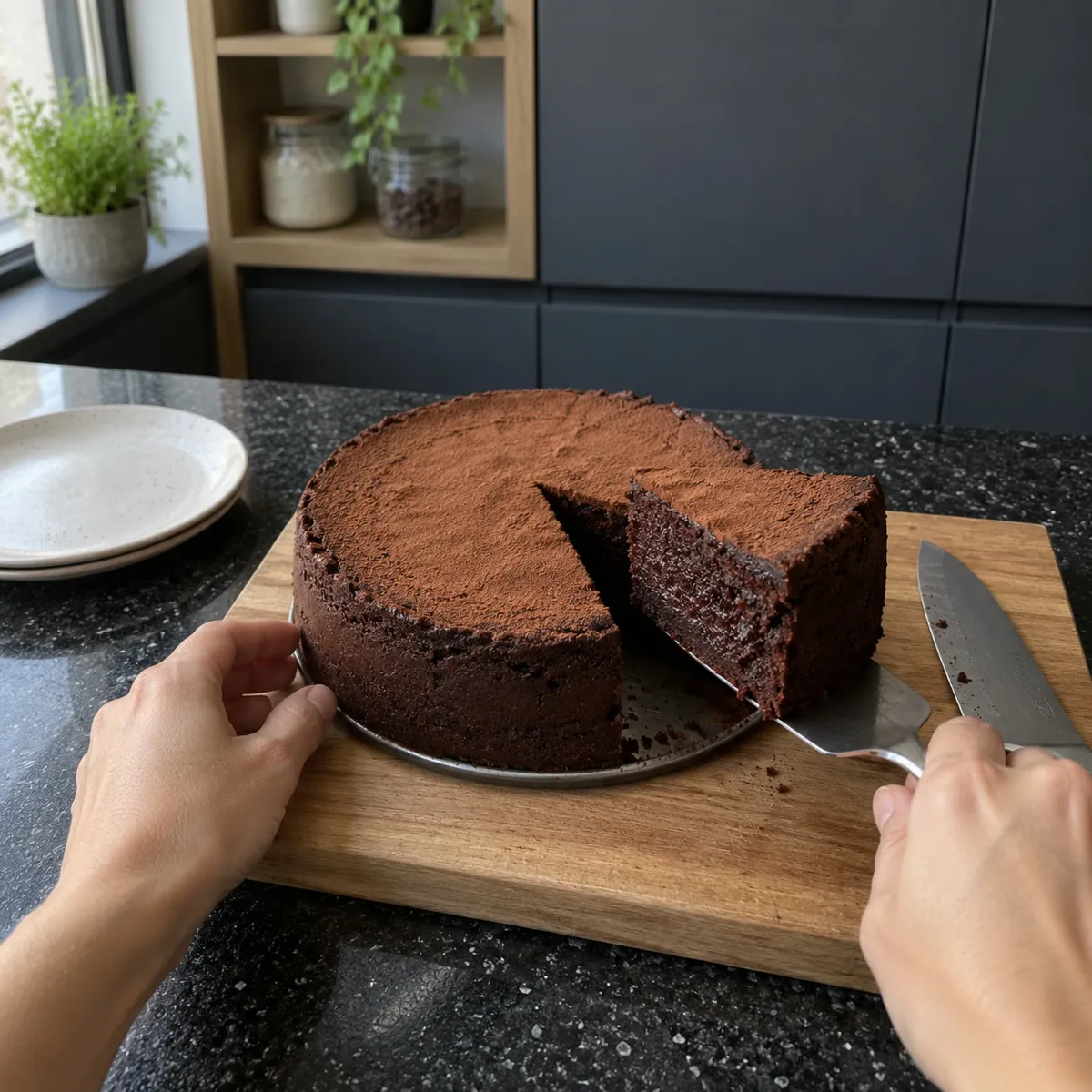
- A fudgy or chocolate cake is done when the skewer comes out with a few damp crumbs clinging to it. Wait for clean and you have gone too far.
- Either way, the cake keeps cooking in the hot tin for several minutes after it leaves the oven. Take it out slightly before you think you should.
Start checking at the earliest time the recipe gives, not the latest. If a recipe says 45 to 50 minutes, open the door at 43.
2. Use oil instead of some of the butter
Butter is about 16% water and 80% fat, and it is solid at room temperature. Oil is 100% fat and stays liquid. That difference is most of why an oil-based cake tastes moist the next day and a butter cake tastes firm.
It is not that the butter cake has lost more water. It is that its fat has crystallised, and solid fat in the crumb reads to your mouth as dry. Take the same cake out of the fridge and the effect doubles.
What to do instead. You do not have to give up butter and its flavour. Swap a third to a half of it for a neutral oil and keep the rest:
| Recipe says | Try |
|---|---|
| 200 g butter | 130 g butter + 70 ml oil |
| 200 g butter, cake eaten cold | 100 g butter + 100 ml oil |
| 200 g butter, cake for the fridge | 200 ml oil, no butter |
This is why the carrot cake and the olive oil cake here are oil-based. Both are still good on day four, and the olive oil one is better then than on day one.
3. Add an acidic dairy, not more milk
Buttermilk, yoghurt and soured cream do three useful things at once. They bring fat. They bring acid, which tenderises by weakening gluten so the crumb is softer. And they are thick, so the batter can carry more of them without going slack and sinking.
Plain milk brings only water and a little fat, and it thins the batter, which is why “just add more milk” fails.
What to do instead. Replace the milk in a recipe with the same weight of full-fat yoghurt, buttermilk or soured cream. Then, because you have added acid, convert some of the raising agent: for roughly every 240 ml of acidic dairy, swap a quarter teaspoon of the baking powder for bicarbonate of soda. Miss that step and the acid just sits there tasting sour.
4. Keep the sugar
Sugar is not only sweetness. It is hygroscopic, meaning it holds onto water and refuses to give it up to the oven, and it raises the temperature at which egg proteins set, which keeps the crumb tender for longer.
Cut the sugar in a cake by a third and you do not get a slightly less sweet cake. You get a drier, tougher, paler one that stales in a day.
What to do instead. If you want a less sweet cake, do not cut the sugar much. Instead:
- Use light brown sugar in place of some of the white. It carries molasses, which is itself hygroscopic, so it holds moisture better than white sugar does.
- Add something sharp to balance it: lemon zest, a sharper sauce, more salt.
- Drop the sugar no more than about 10% and accept that is the limit.
A tablespoon of honey, golden syrup or glucose in place of a tablespoon of the sugar also helps, because those are even better at holding water than sucrose is.
5. Stop mixing when the flour disappears
Every extra stroke after the flour goes in develops more gluten. More gluten means a tighter, chewier crumb that squeezes moisture out as it bakes and reads as dry even when the cake technically holds plenty of water.
What to do instead. Cream the butter and sugar as long as you like, because that stage is only fat and air. Once flour is in the bowl, fold until the last streak disappears and then put the spatula down. Ten extra strokes to be safe cost more than a streak of flour ever will.
Using plain flour rather than strong bread flour matters for the same reason: less protein, less gluten, softer crumb.
6. Soak it, if it needs rescuing
A syrup brushed over a warm cake is what professional kitchens use, and it works on a cake that is already baked and already a bit dry.
Warm equal weights of sugar and water until the sugar dissolves, add a flavour if you want one, and brush it over the cake while the cake is still warm and the syrup is warm. Warm crumb absorbs; cold crumb sits there with syrup pooling on top.
About 100 ml of syrup for a 20 cm cake. Brush it in two or three passes, giving each a minute to soak in.
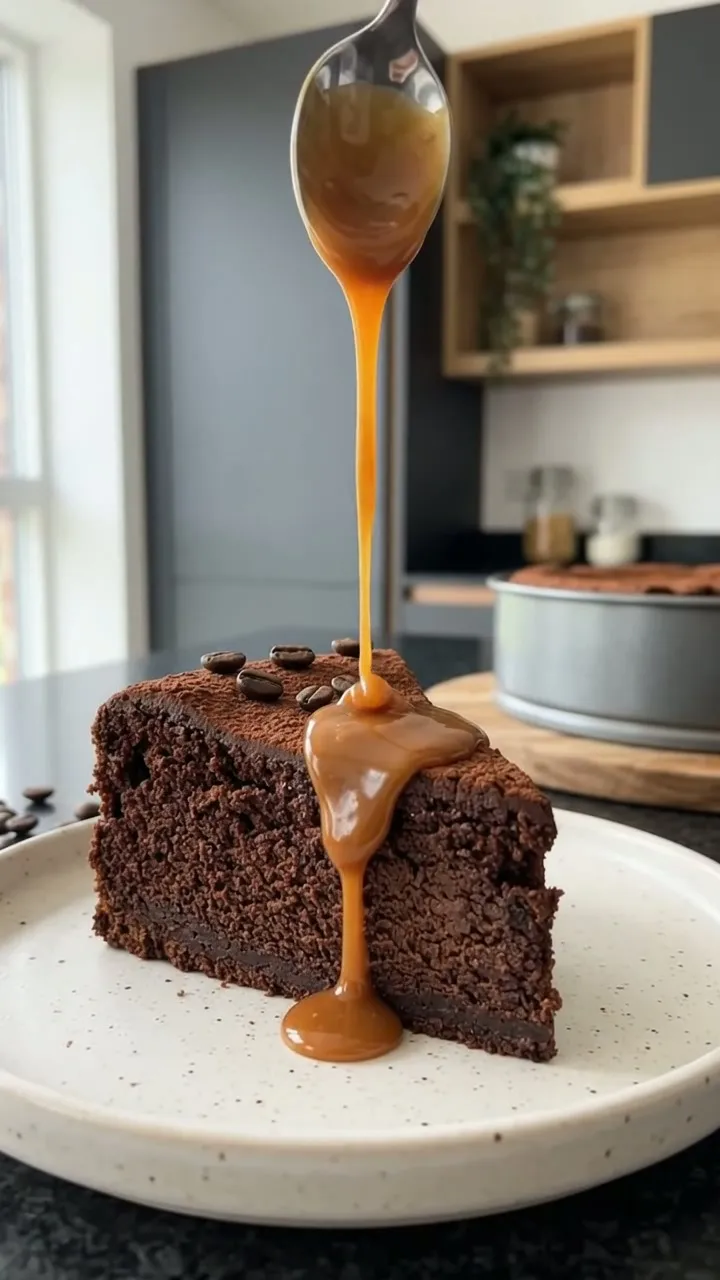
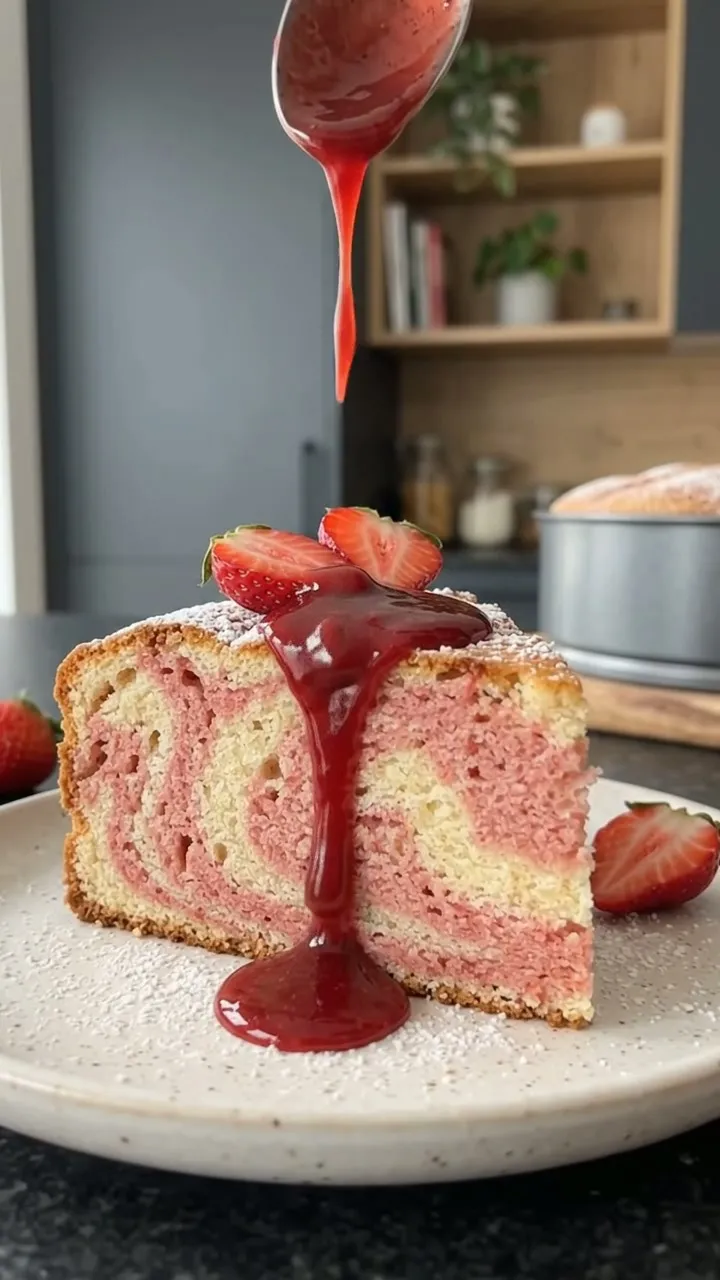
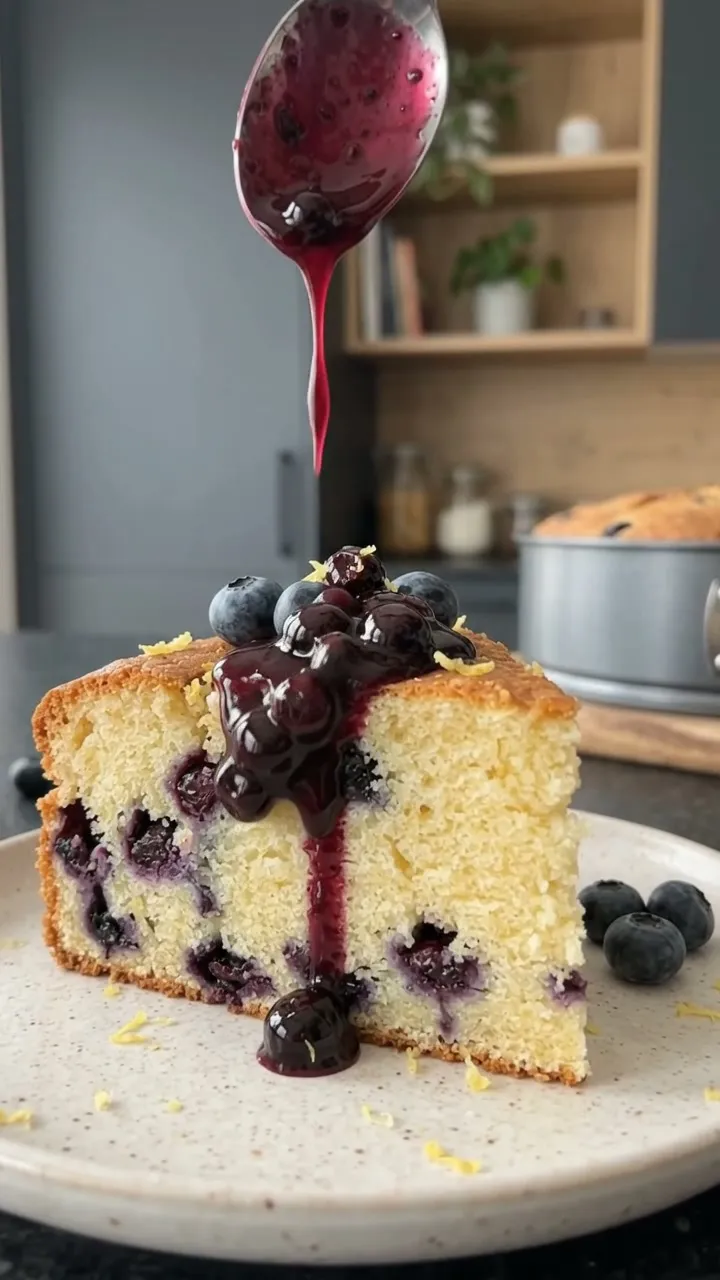
Every recipe on this site already does a version of this, which is why they all finish with a sauce poured over the slice. A warm salted caramel, a citrus syrup or a fruit sauce soaks into the cut face and solves dryness at the table rather than in the recipe.
The two that do not work
Adding more milk or water. Covered above. It evaporates, it weakens the structure, and you end up with a flatter cake that is no moister. If a batter genuinely looks too stiff, add fat or yoghurt rather than water.
An extra egg. People add one for richness, but egg white is mostly water and protein, and the protein sets firm. An extra whole egg usually makes a cake springier and slightly tougher, not moister. An extra yolk is a different matter: yolk is fat and emulsifier with no setting protein to speak of, and one extra yolk in a 20 cm cake genuinely does soften the crumb.
Keeping it moist after it is baked
A cake that was moist on the day and dry on day two was probably stored wrong rather than baked wrong.
- Cool it completely before covering. Cover a warm cake and the trapped steam condenses on the surface and makes it sticky and soggy on top while the inside still dries.
- Do not refrigerate a butter cake. The fridge is the driest place in the kitchen and cold hardens butterfat. Room temperature, in a tin, is better for almost everything. Oil cakes survive the fridge; butter cakes do not.
- Cover the cut face, not just the top. That is where a cake loses moisture fastest. Press a piece of baking paper or foil directly against it.
- Freeze rather than refrigerate if you need more than three or four days. Wrap it whole, or in slices, and it thaws close to how it went in.
If you only change one thing
Take it out of the oven earlier. Buy an oven thermometer so you know what temperature it is actually baking at, start testing at the earliest time the recipe gives, and pull it when the skewer has a few damp crumbs rather than waiting for spotless.
Everything else on this page is worth doing. None of it will save a cake that spent an extra eight minutes at 190°C.
If your problem is the reverse, a cake that came out wet in the centre rather than dry, that is a different fault and it is covered in why cakes come out raw in the middle.